- TV Video Cables & Interconnects Items
- sku: 9471195841194762
- FIBEROPTICS HM-8V1D1E
HM-8V1D1E FIBEROPTICS Video Optical Converters
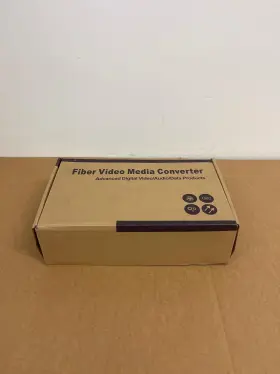
| Brand | FIBEROPTICS |
|---|---|
| Manufacturer Part Number | HM-8V1D1E |
| Part Type | VIDEO CONVERTER |
| Cosmetics | C9 NEW OPEN BOX |
Review FIBEROPTICS 8-ch Video Optical Converters
The Fiberoptics HM-8V1D1E 8-channel Video Optical Converters are high-performance devices designed for converting electrical signals to optical signals and vice versa. These converters are ideal for various applications that require transmitting video signals over long distances or through fiber optic cables.
Each converter features eight independent channels, allowing users to transmit or receive video signals simultaneously. The converters support standard video formats, including Composite Video, S-Video, and CVBS. These converters are versatile and can be used in various industries, such as broadcasting, surveillance, telecommunications, and military.
The HM-8V1D1E converters are built using advanced fiber optic technology. They utilize high-quality optical fibers and precision-engineered components to ensure reliable and consistent signal transmission. The converters have a wide operating temperature range, from -10 C to 70 C, making them suitable for use in various environments.
The converters have a user-friendly design and are easy to install. They come with LC connectors, which are commonly used in fiber optic applications. The converters have a compact form factor, making them easy to integrate into various systems.
The HM-8V1D1E converters offer several advantages over traditional electrical signal transmission methods. They provide immunity to electromagnetic interference (EMI) and radio frequency interference (RFI), ensuring clear and stable video signals. They also offer longer transmission distances, making them ideal for applications where long-distance signal transmission is required.
The converters are built to meet industry standards, including FCC Part 15 and CE. They are also RoHS compliant, ensuring that they meet the latest environmental regulations.
In summary, the Fiberoptics HM-8V1D1E 8-channel Video Optical Converters are high-performance devices designed for converting electrical signals to optical signals and vice versa. They offer several advantages over traditional electrical signal transmission methods, including longer transmission distances, immunity to EMI and RFI, and a user-friendly design. These converters are ideal for various applications that require transmitting video signals over long distances or through fiber optic cables.
Fiber optic HM-8V1D1E 8-channel video optical converters are used to convert electrical video signals into optical signals and vice versa. Here are some pros and cons of buying these converters:
Pros:1. Long transmission distance: Fiber optic cables can transmit signals over longer distances without signal degradation, making them ideal for applications where long cable runs are required.
2. Immunity to electromagnetic interference (EMI): Fiber optic cables are not affected by EMI, making them a good choice for environments where there is a lot of electrical noise.
3. High bandwidth: Fiber optic cables can transmit data at higher speeds and with greater bandwidth than copper cables, making them ideal for applications that require high-speed data transmission.
4. Reliability: Fiber optic cables are less prone to physical damage and corrosion than copper cables, making them more reliable in the long run.
5. Security: Fiber optic cables are more difficult to tap into than copper cables, making them a more secure choice for applications where data security is a concern.
Cons:1. Cost: Fiber optic cables and converters are more expensive than copper cables and converters.
2. Complexity: Installing and configuring fiber optic systems can be more complex than copper systems, requiring specialized knowledge and equipment.
3. Compatibility: Not all devices and systems are compatible with fiber optic cables, so it's important to check compatibility before making a purchase.
4. Single-mode vs. multimode: Fiber optic cables come in two types: single-mode and multimode. Single-mode cables offer greater transmission distance and bandwidth but are more expensive, while multimode cables are less expensive but have shorter transmission distances and lower bandwidth.
Conclusion:Fiber optic HM-8V1D1E 8-channel video optical converters offer several advantages, including long transmission distance, immunity to EMI, high bandwidth, reliability, and security. However, they also come with some disadvantages, such as cost, complexity, compatibility, and the choice between single-mode and multimode cables.
If you require long transmission distances, high bandwidth, and immunity to EMI, and are willing to pay a premium for these features, then fiber optic converters may be the right choice for you. However, if cost is a concern, or if you don't require the advanced features of fiber optics, then copper converters may be a more cost-effective option. Ultimately, the decision depends on your specific application requirements and budget.
Details:
Fiberoptics HM-8V1D1E 8-ch video optical converters: 144447. CRT glass, except for glass with lead content less than 5 parts per million, and clean of phosphor, fines, coatings Frito 4. Poly-chlorinated phenol's CBS this item sinew,unused equipment in original packaging, where factory seals have been broken.
Batteries, or5.
specifications vcinterconnects:
- brand: Fiberoptics
- mpn: Hm-8v1d1e
- part type: Video Converter
- cosmetics: C9 New Open Box
payments vcinterconnects:
- other
- wallet: google-pay
- credit card: diners-club
shipping vcinterconnects:
- type: calculated
- transit: 4-10 days
- carrier: usps, fedex
- class: standard, one-day
- service: usps ground advantage, fedex ground / fedex home delivery, fedex standard overnight
general vcinterconnects:
- category: Electronics > Tv, Audio > Accessories > Video Cables Interconnects
seller vcinterconnects:
- # reviews: 4013
- rating: 99.8%
- city: gilroy, california
offer vcinterconnects:
- availability: in stock
- options: ship-to-home
- best offers: true
- sold #: 14
- started: november 25, 2025
- price: $29.99
- item condition: Open box
- in stock #: 1
returns vcinterconnects:
- policy: returns accepted
- time: 30 days
- paid by: seller
- method: money back
